
About • History
The History
As the epitome of entertainment and refinement, the Palm Beach has been an iconic venue of the Côte d’Azur since its inception in 1928.
About
Charming never gets old
Since April 5th, 1929, the Palm Beach has been shining bright like a jewel at the tip of the Croisette, facing the Mediterranean Sea. A remote palace away from the hustle and bustle of the city center, whose mythical architecture and prestigious evenings have marked generations, contributing to the legend of Cannes.
1928
The inception
1947
Reconstruction and restoration
2024
The new Palm Beach project
1928
The inception
1947
Reconstruction and restoration
2024
The new Palm Beach project
Iconic moments
The legacy of a dream
Since its inception, Palm Beach has stood out for bringing an aura of exclusivity and effortless elegance to the entire Côte d’Azur. A place of refined social life, art, and unforgettable events, with a story still beautifully unfolding.

1928
The inception
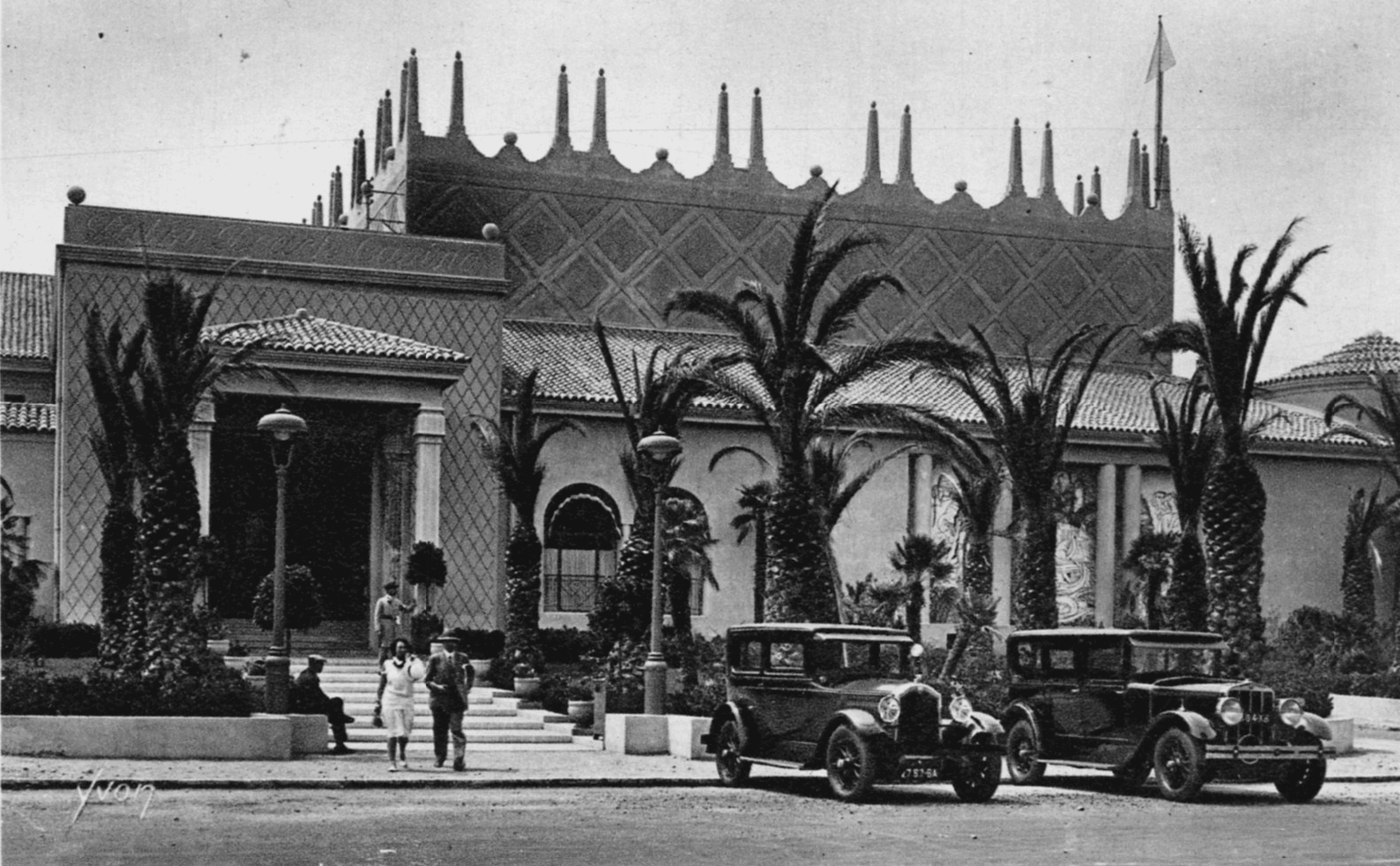
As the epitome of entertainment and refinement, the Palm Beach has been an iconic venue of the Côte d’Azur since its inception in 1928. Its Hispano-Moorish crown is timeless and has stood the test of time: it forms an ivory diadem that defines the realm of play and celebration, rising above a postcard setting synonymous with French elegance to millions of international tourists: the French Riviera.
1929
Europe’s first summer Casino
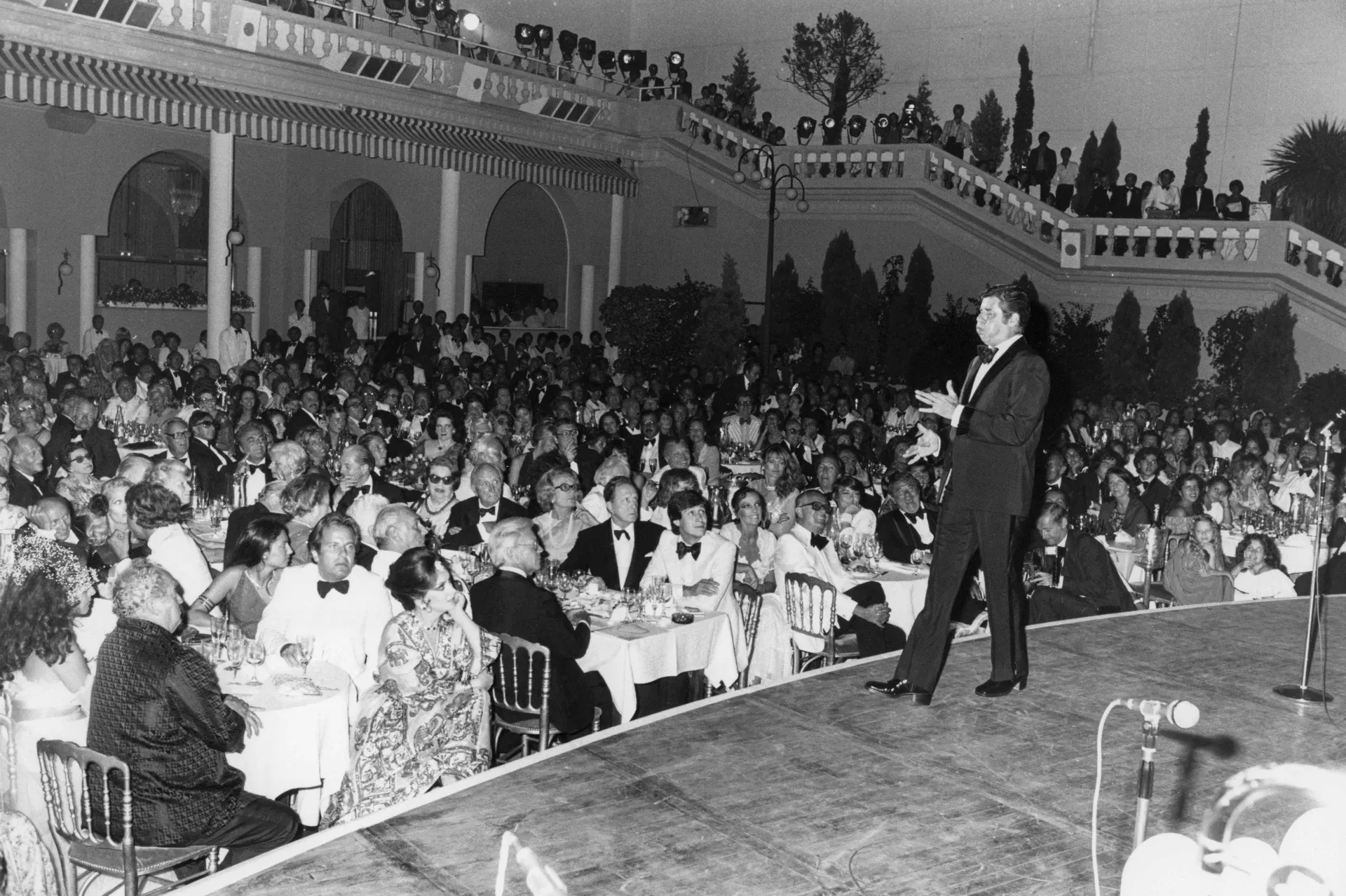
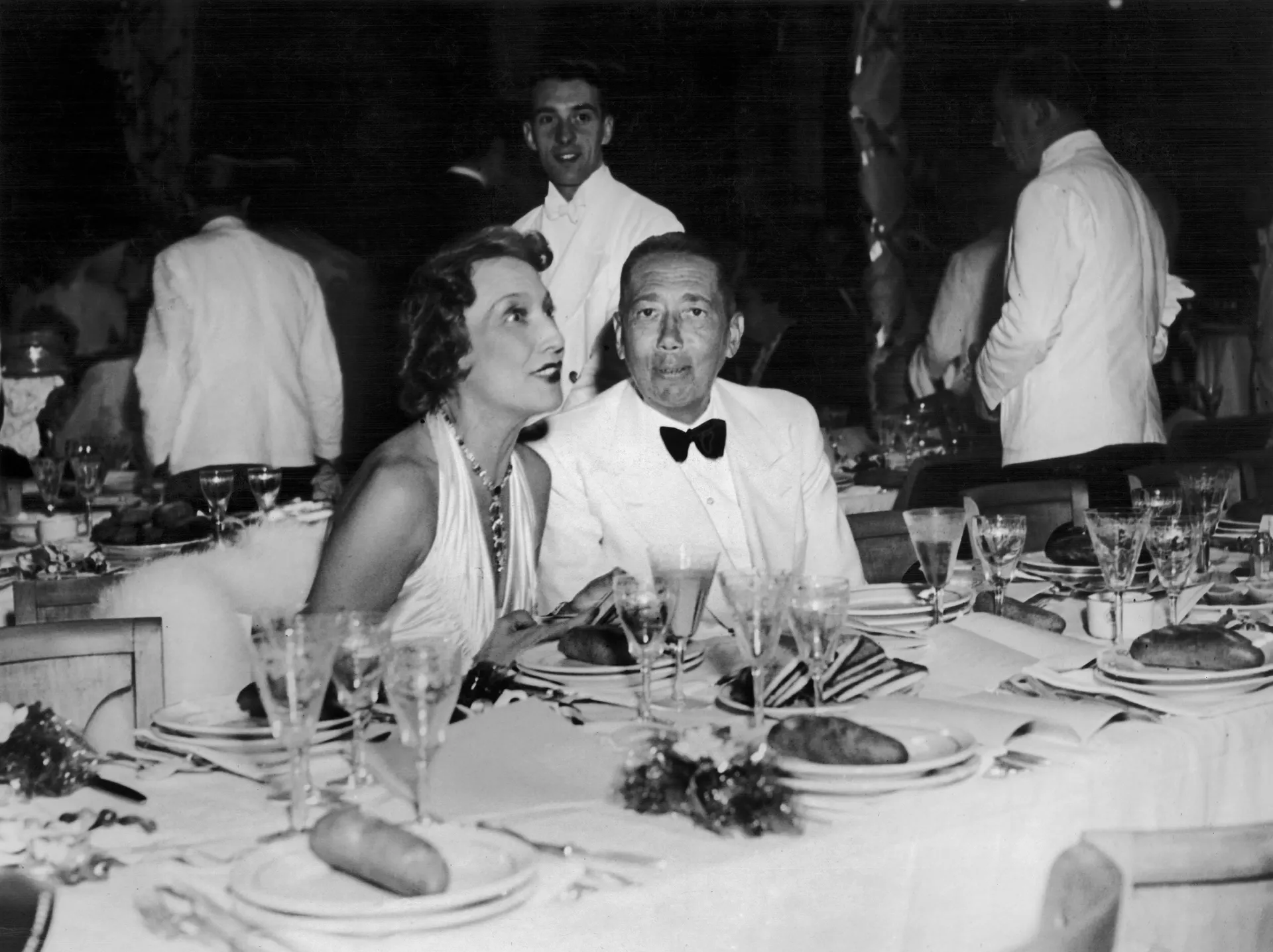
In the 1920s, Eugène Cornuché, a visionary promoter, proposed to the mayor of Cannes the creation of Europe’s first summer casino: the Palm Beach Casino, inspired by a Floridian city. From its opening night on April 5th, 1929, the Palm Beach Casino wrote its legendary story: 600 guests sat down in the banquet hall, including the Baroness of Rothschild, Maurice Chevalier, Winston Churchill, Lord Bentley and the Duke of Windsor. The establishment soon stood out from the other casinos on the Côte d’Azur, not only for its aesthetics, but also for its reputation and the number of visitors it attracted.
1939
The “Cinema Dream” interrupted by war
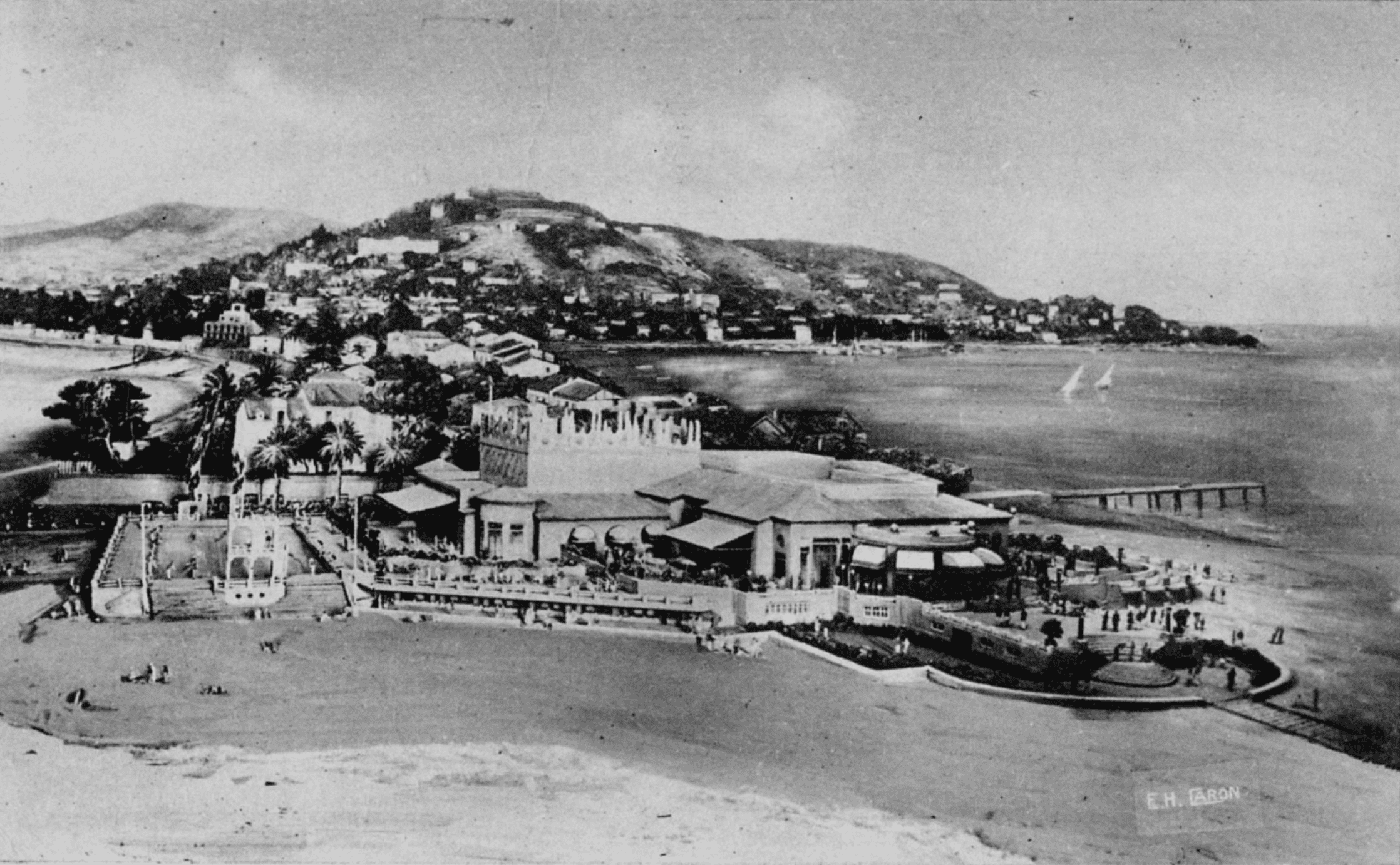
1939: in reaction to the Venice Film Festival which was organized under the rule of the Fascist regime, the French government decided to hold another festival promoting democratic values. But where would it take place? Jean Fillioux, owner of the Palm Beach, decided to host this festival at his establishment and launched a lobbying campaign. At the end of the summer, the crème de la crème of the film industry was expected to come, But on September 1st - the opening day of the festival - the organizers canceled the event. German troops had just entered Poland.
1947
Reconstruction and restoration
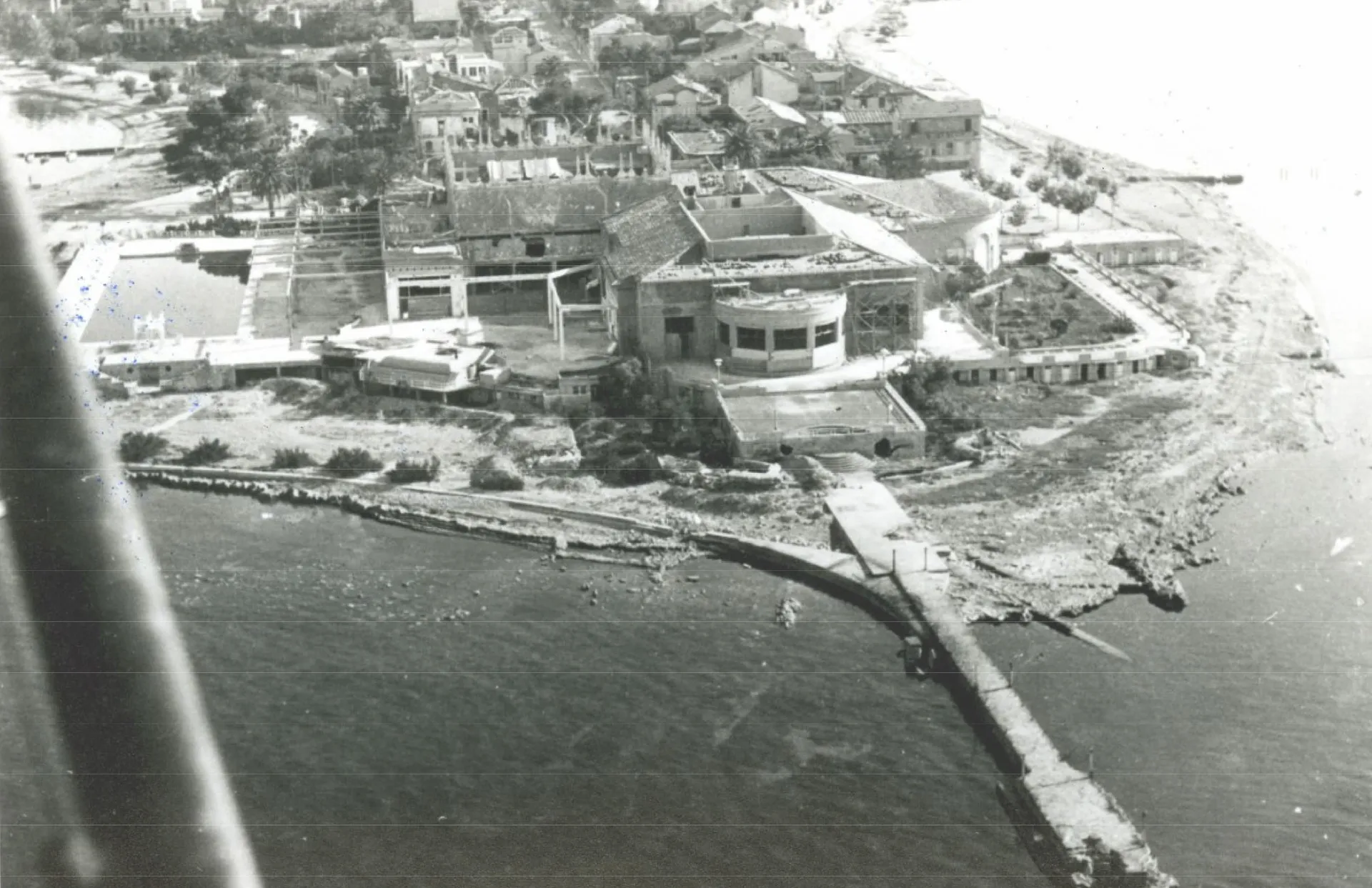
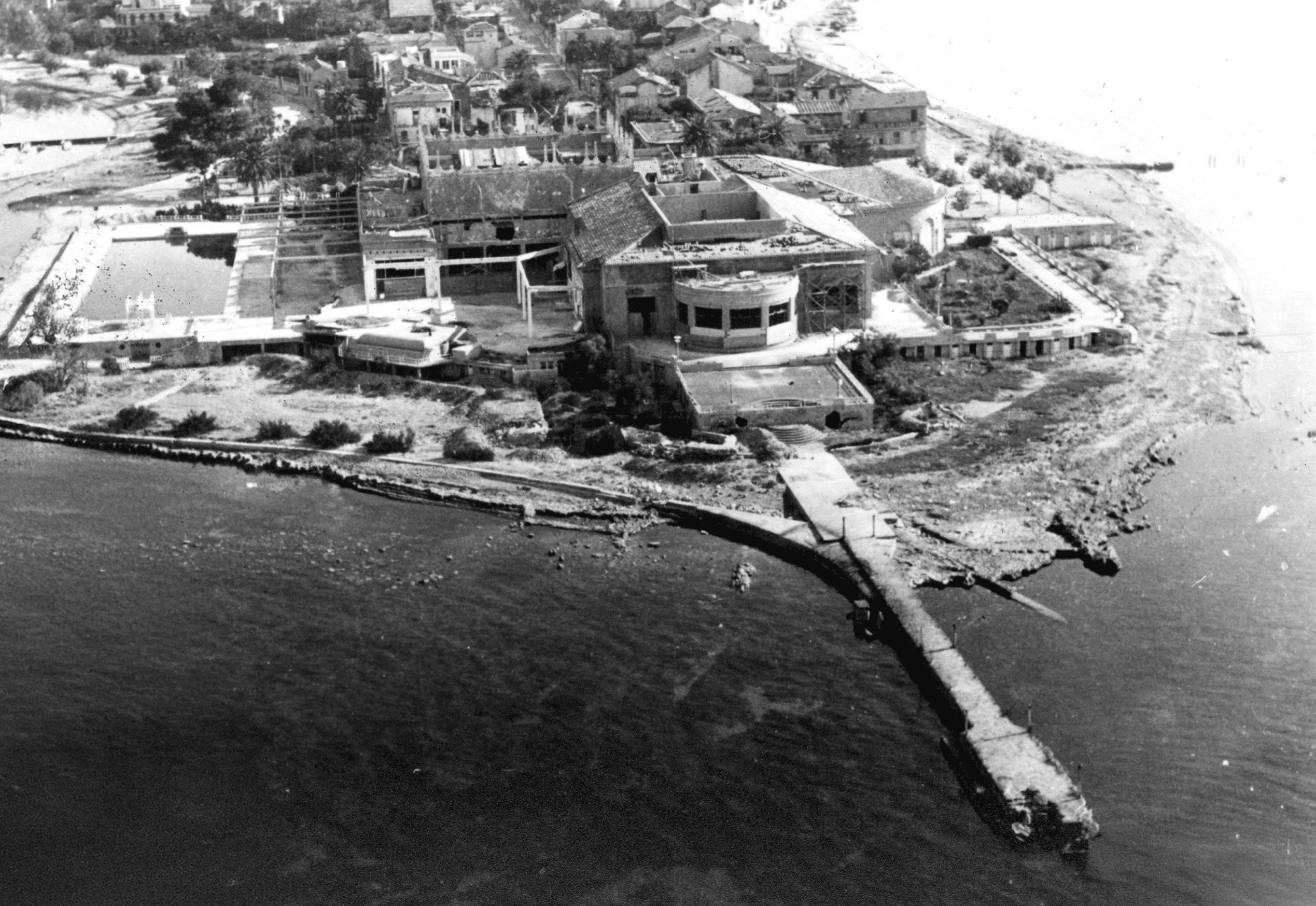
The Palm Beach exposed its scars at the French Liberation: casino rooms were ransacked and the roof had been bombed on August 7th, 1944. The swimming pool was also damaged in several places. In a sorry state of repair, the Palm Beach had to be restored, its restaurant and rotunda completely rebuilt. The owners took two years to get the Palm Beach back to its pre-war splendor. In 1947, the Casino finally reopened at the height of the Cannes Film Festival. From then on, a deep and unbreakable bond formed between the world of cinema and the Palm Beach.
1950
The glorious years
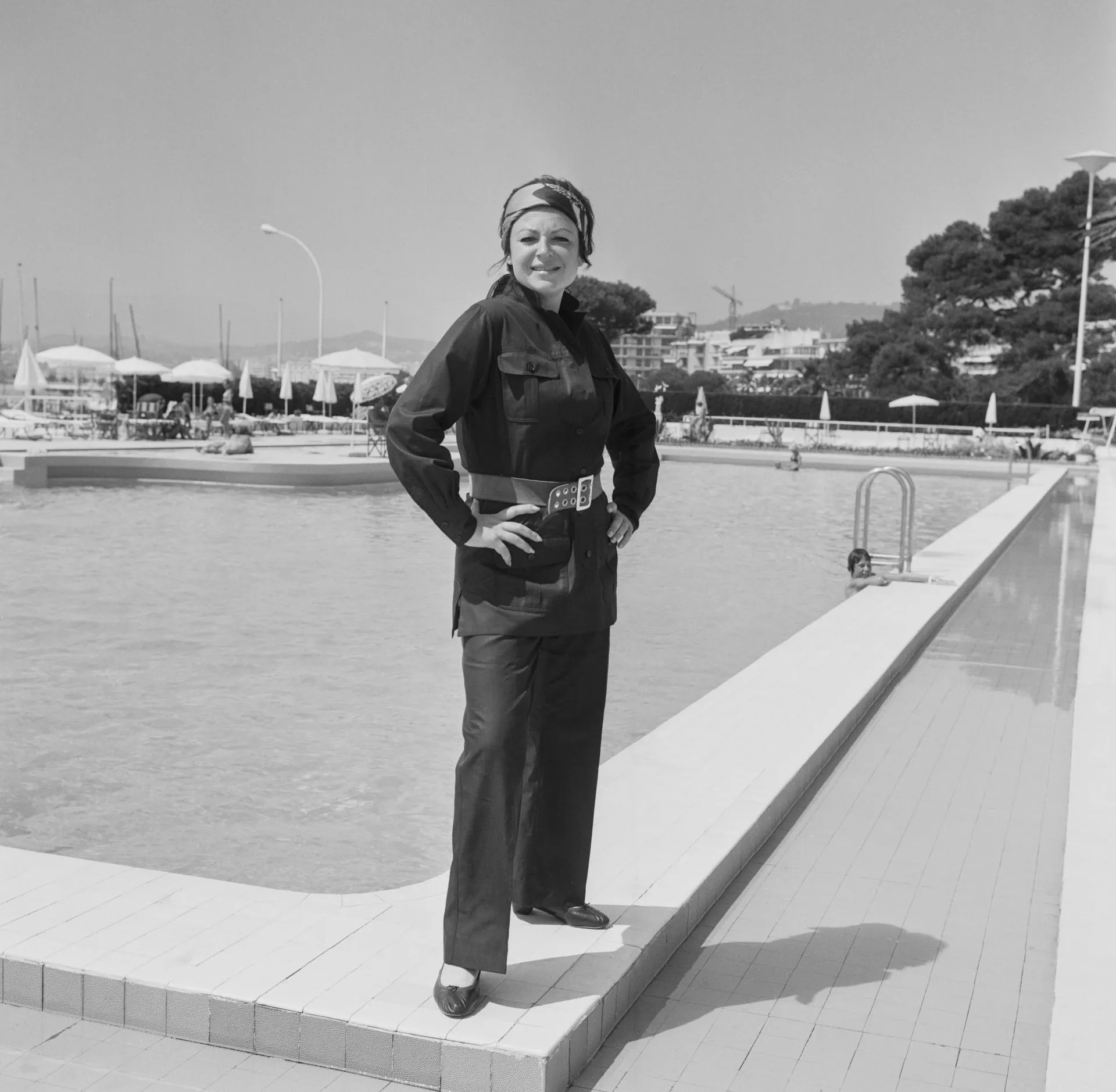
The 1950s marked the international expansion of the Palm Beach. Numerous great names flocked to book a table: Orson Welles, Grace Kelly, Cary Grant, Marlene Dietrich are just some of them. Galas, cabaret shows: the Palm Beach became a major entertainment venue. The mid-20th century also saw the birth of the festival-goer who, between two movie screenings, relaxed in a swimsuit around the pool, restored in 1951 in an Art Deco version with clean lines reminiscent of De Chirico and heralding Hockney.
1964
The pool, new iconic venue
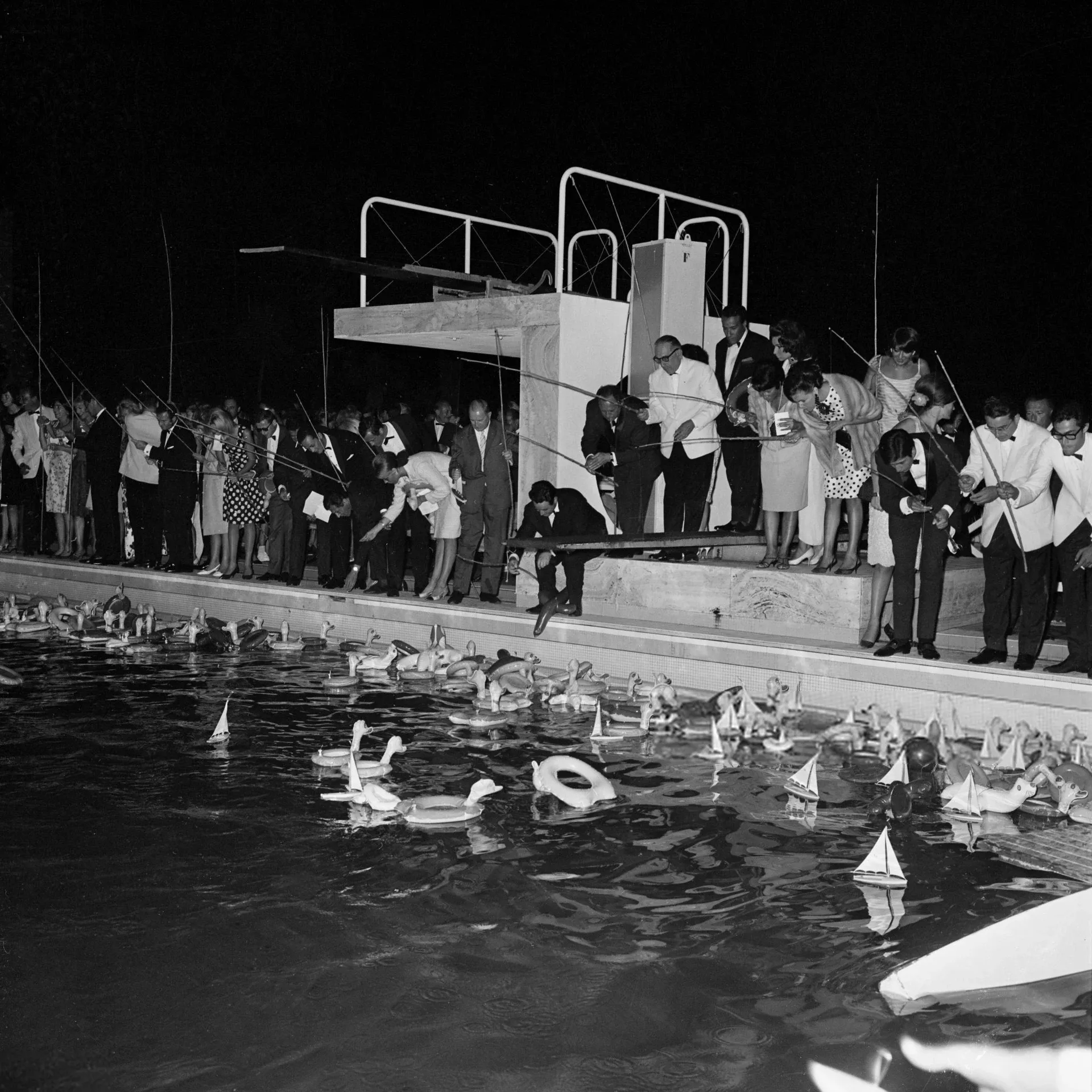
Fifteen years afterward, in 1964, the pool starred in the movie Any Number Can Win (Mélodie en sous-sol in French). The cast included Jean Gabin and Alain Delon, but the Palm Beach played the leading role. Henri Verneuil’s camera sublimates the beauty of the gambling halls, the rooftops and, above all, the swimming pool, projecting it to the whole world. The film’s epilogue around the pool is an open-air chess game between the Esterel mountains and the Mediterranean Sea.
60s to 80s
The Palm Beach becomes “a way of life”
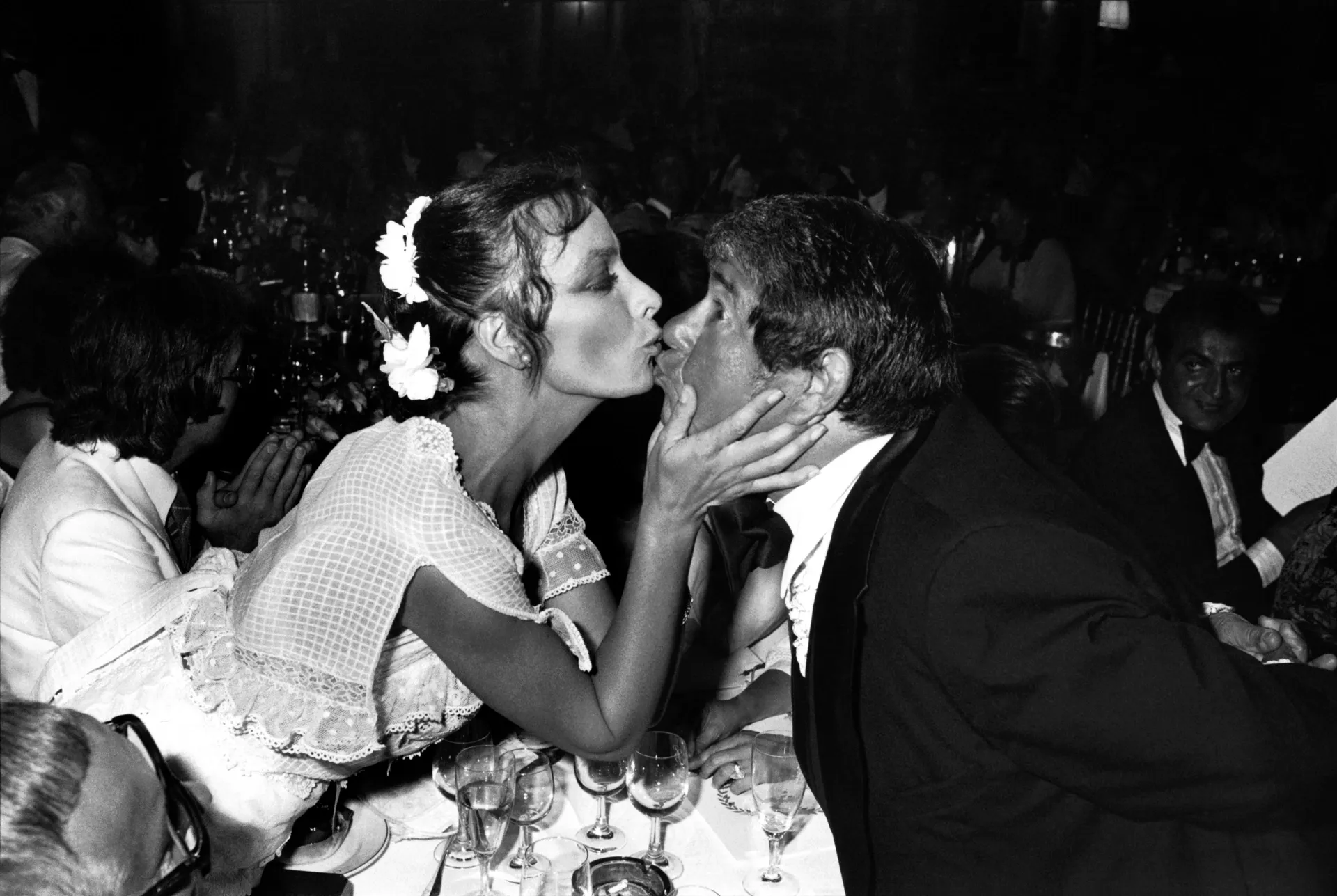
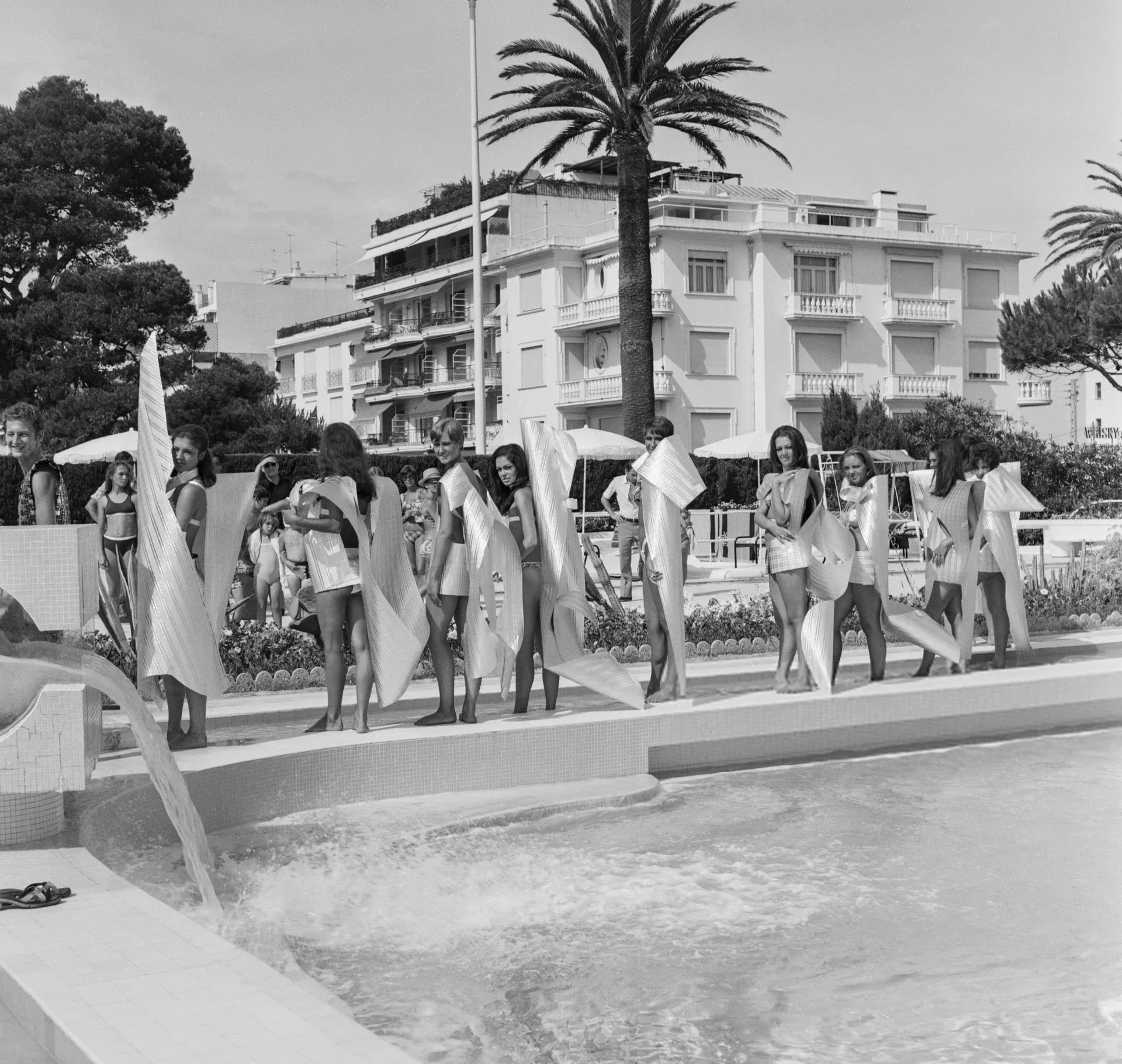
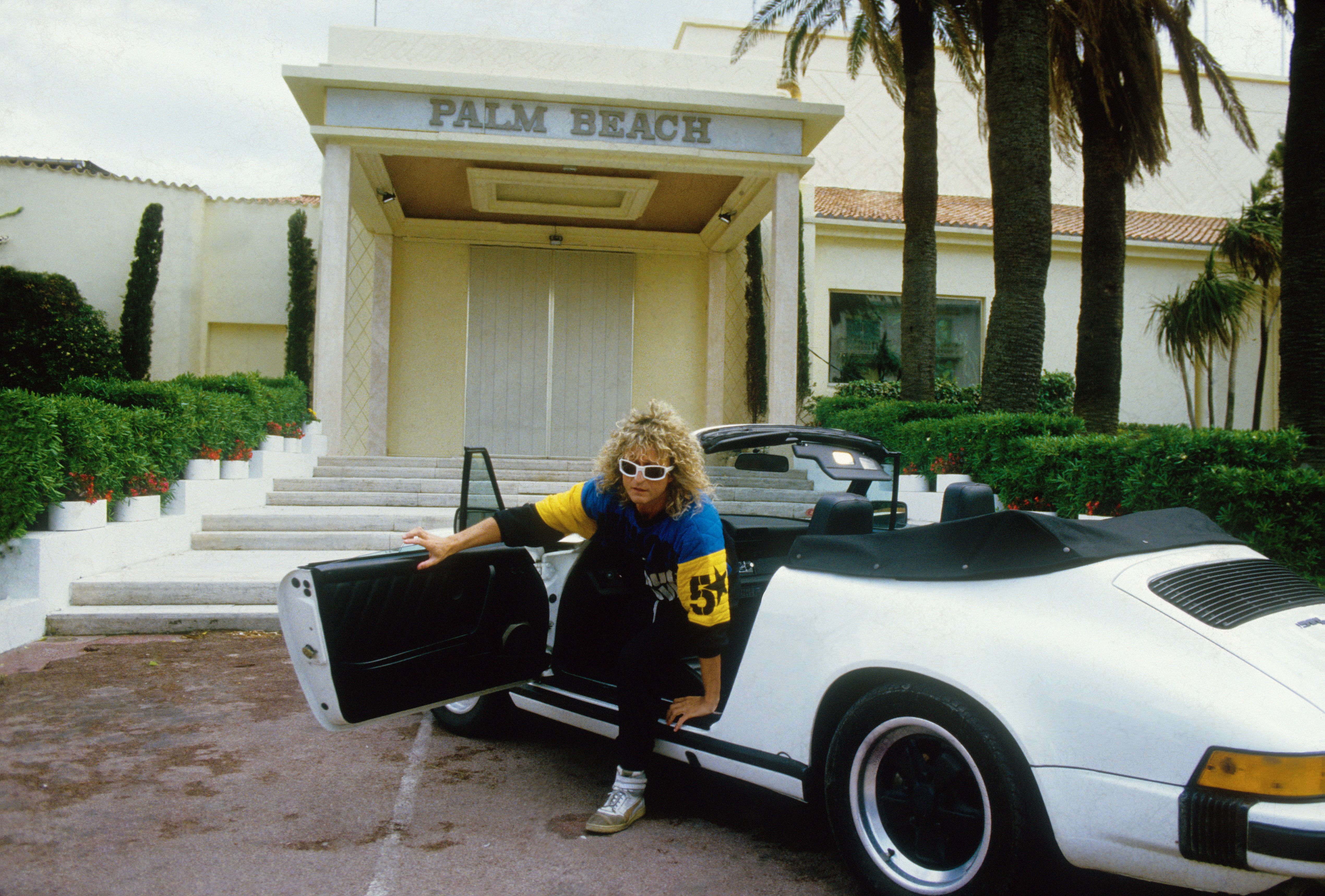
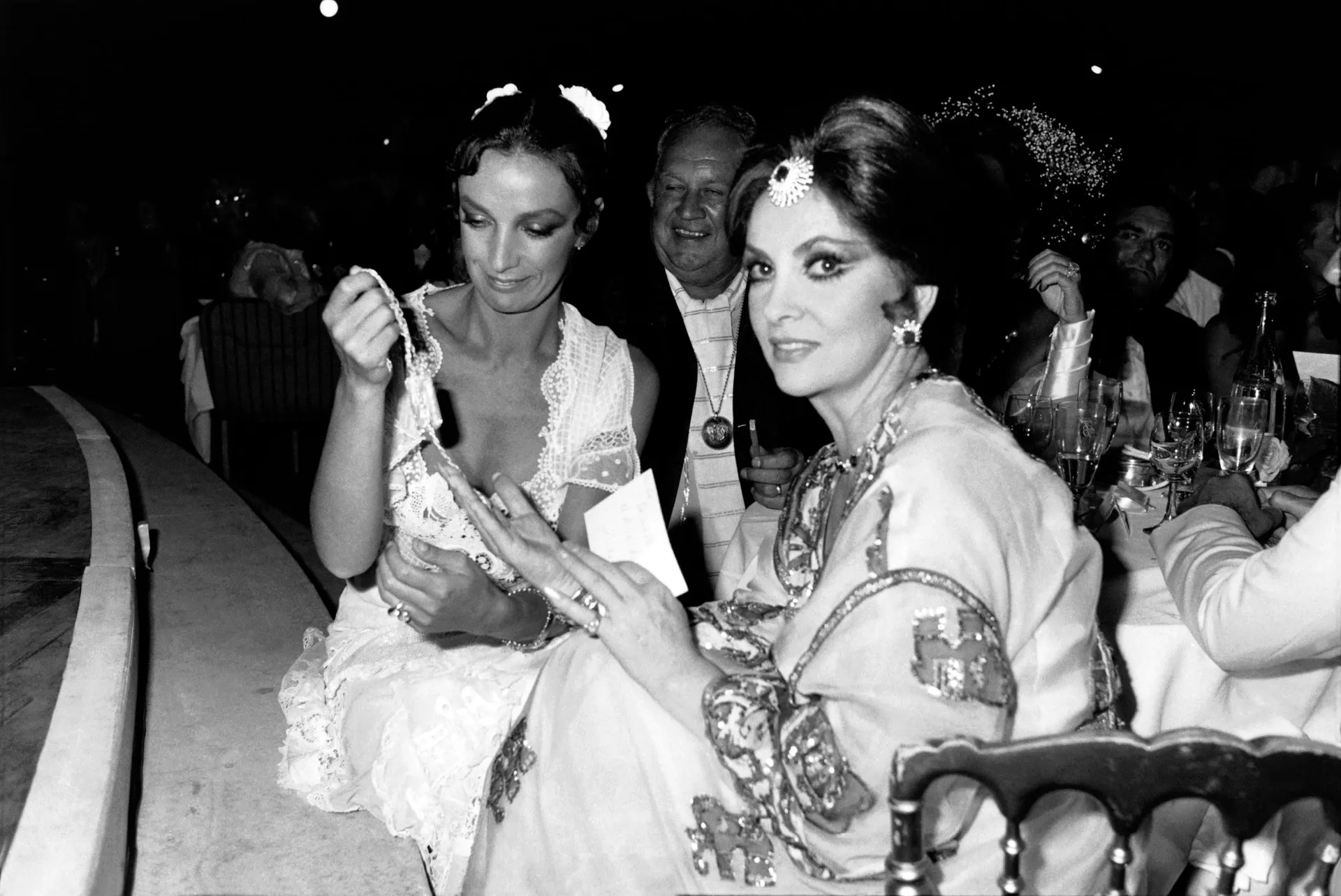
During the 1960s, the bikini-clad bather became the new face of the casino. The Palm Beach adopted the Saint-Tropez fashion: banquets and parties followed one another on the terrace, often concluding with spectacular fireworks in the open sea. It was an era of abundance, relaxation, and joy. As a major player in the 20th century’s quest for hedonism, the Palm Beach has survived wars, embraced the world of cinema, created dreams, exported a myth and participated in the creation of an art of living emblematic of the Côte d’Azur.

2024
The new Palm Beach project
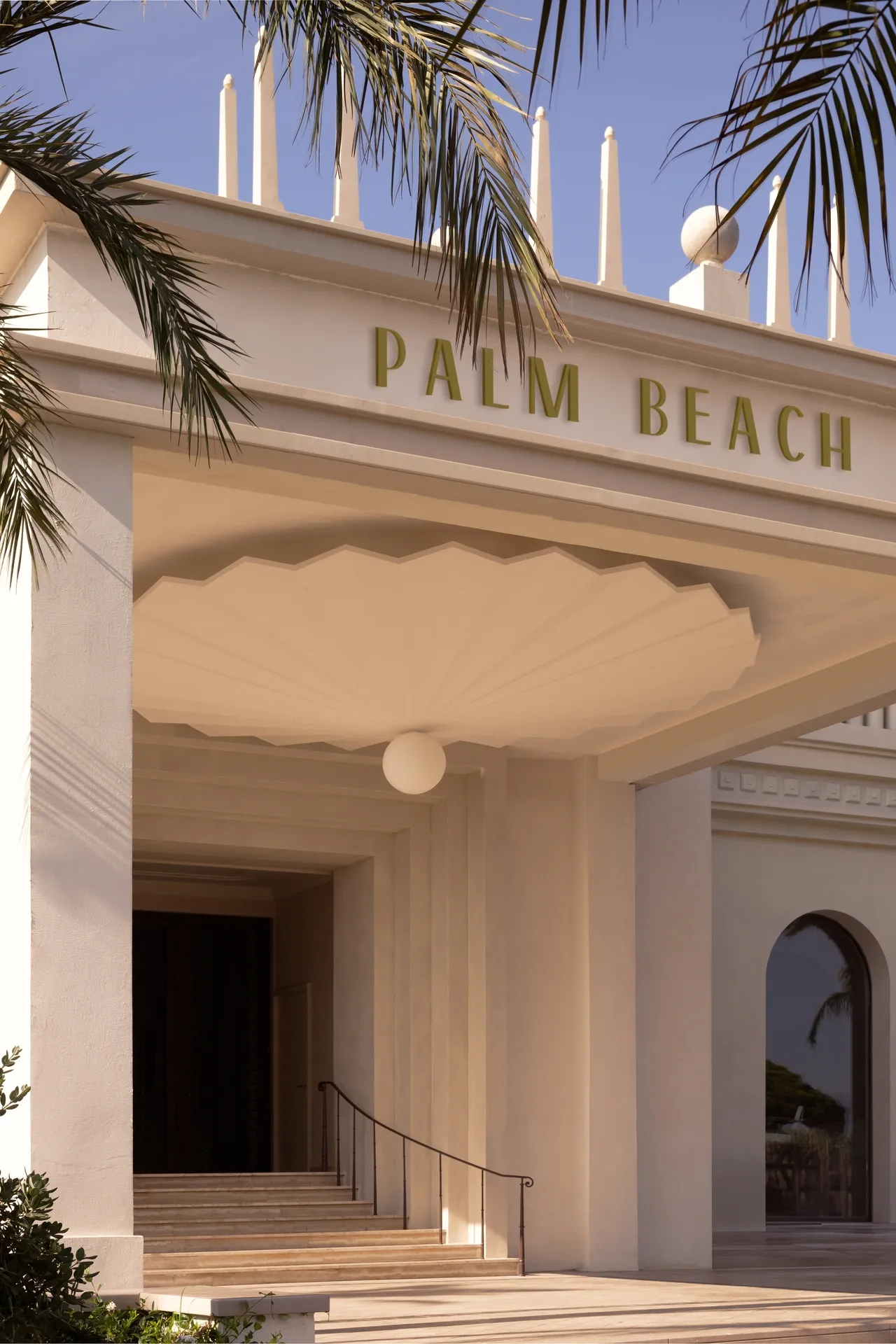
With its mythical Hispano-Moorish facade, Art Deco lozenges and iconic dome, the Palm Beach has embodied the soul of the Côte d’Azur for almost a century. This emblem of the Croisette has undergone a five-year, 250-million-euro renovation to restore it to its former glory.
"J'AIME LES FEMMES QUI FONT TOUT POUR PLAIRE. CANNES EST L'UNE D'ELLES."

Contact us
PL. F. Roosevelt, Cannes France contact@palmbeach-cannes.com

